
Project overview
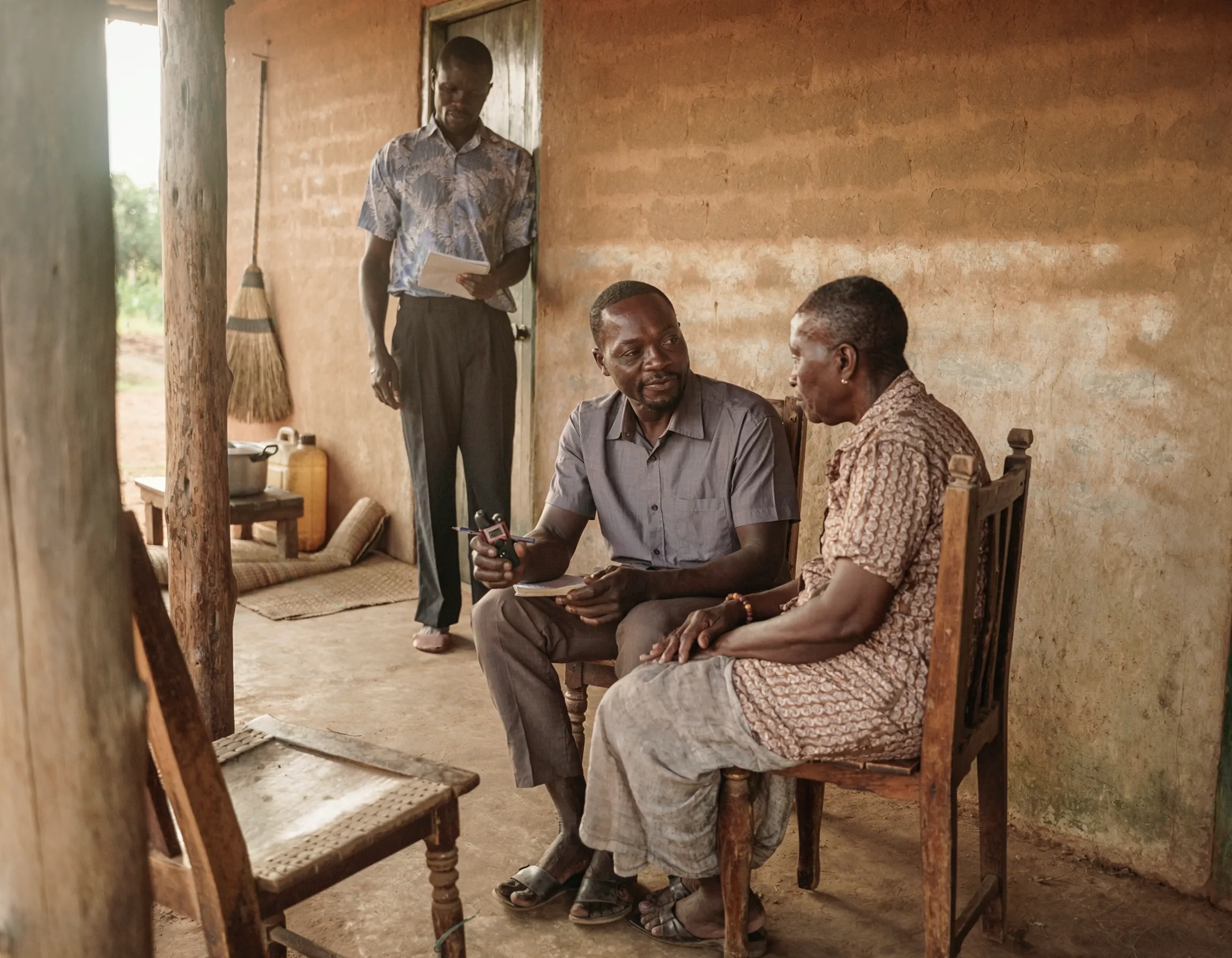
While incentives are widely used to encourage the adoption of health products, the research explores whether they also influence beliefs about a product's effectiveness beyond simply lowering its cost. Focusing on micronutrient powder (MNP), a proven intervention for preventing childhood malnutrition, the study examines whether information about financial incentives increases caregivers' willingness to invest in the product, even when they do not directly receive the incentive. The research was conducted in partnership with BRAC International, which distributes MNP through its network of community health workers.
Using a randomized controlled trial involving more than 1,700 households with children aged 12–24 months, the study compared different incentive information strategies to understand how they shape perceptions of MNP and influence willingness to pay. The research provides important insights into the behavioural mechanisms through which incentives affect health-related decision-making.
Research impact
The findings contribute to the design of more effective and cost-efficient public health programmes by demonstrating how information and financial incentives shape demand for preventive healthcare. The evidence supports policies aimed at improving child nutrition and increasing the uptake of essential health interventions.