Project overview
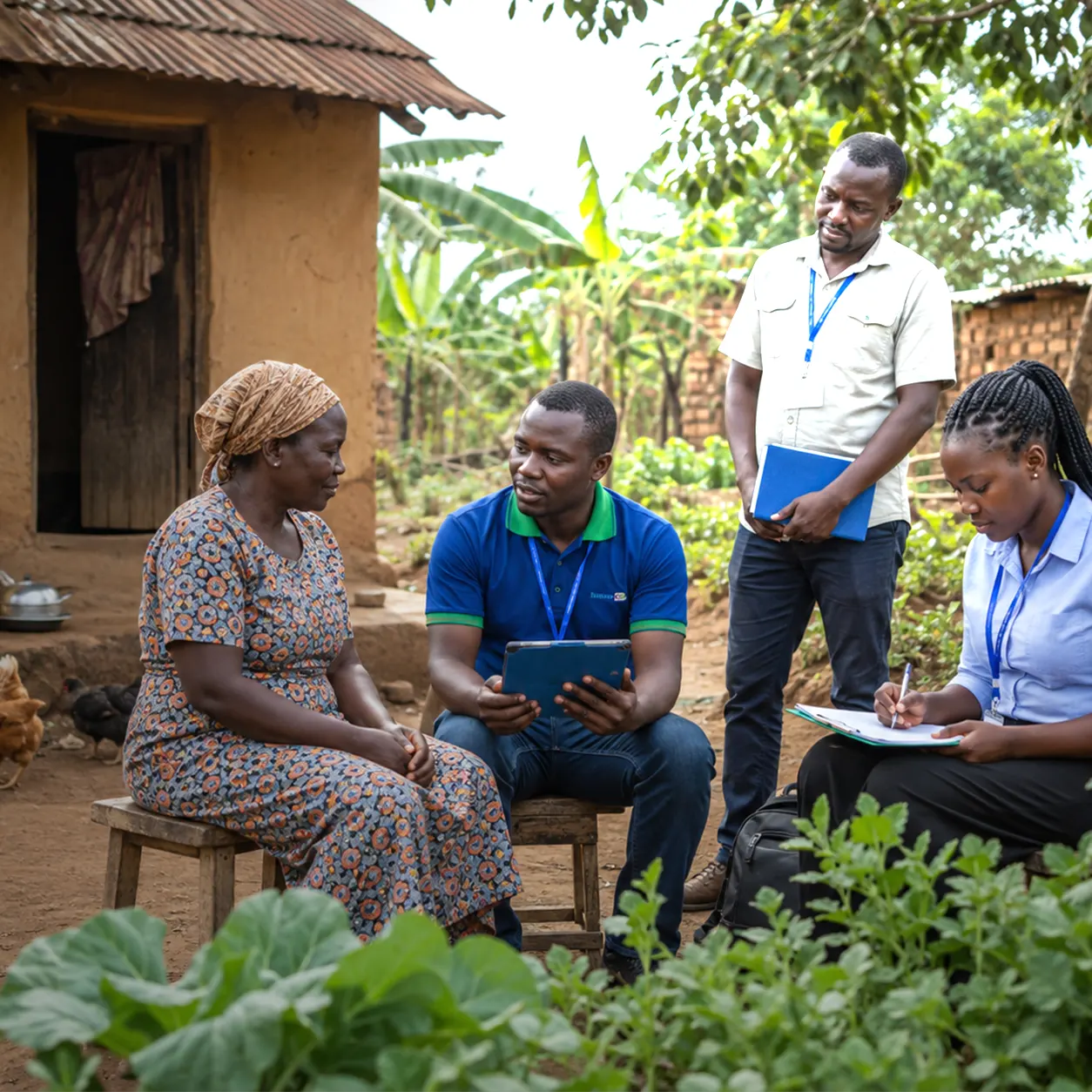
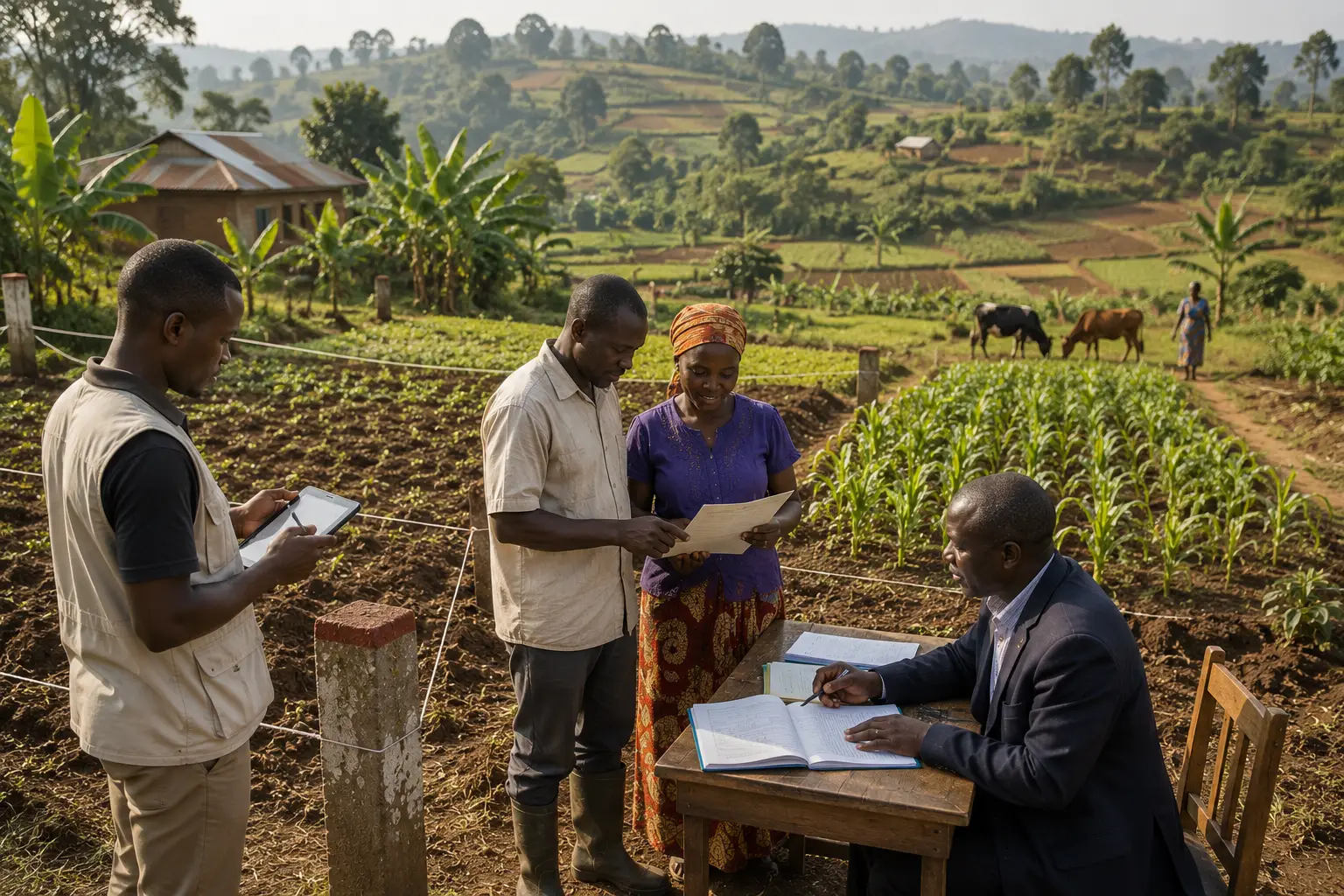
Using primary data collected from 16,150 households across Ethiopia, Ghana, and Uganda, the research compares four widely used poverty measurement methods to assess the consistency of household poverty rankings across different contexts.
The analysis reveals remarkably little agreement between the different approaches. The inconsistency persists within each country, across both urban and rural populations, and throughout the socioeconomic distribution. On average, a household's poverty ranking differs by an entire quartile depending on the measurement method applied, highlighting substantial differences in how poverty is identified and measured.
Research impact
The findings demonstrate that estimates of poverty, beneficiary targeting, and assessments of progress toward poverty reduction goals can vary significantly depending on the measurement approach used. The study provides important evidence for governments and development partners seeking to improve poverty measurement, programme targeting, and the evaluation of social protection interventions.
Read the associated research publication: View publication