Project overview
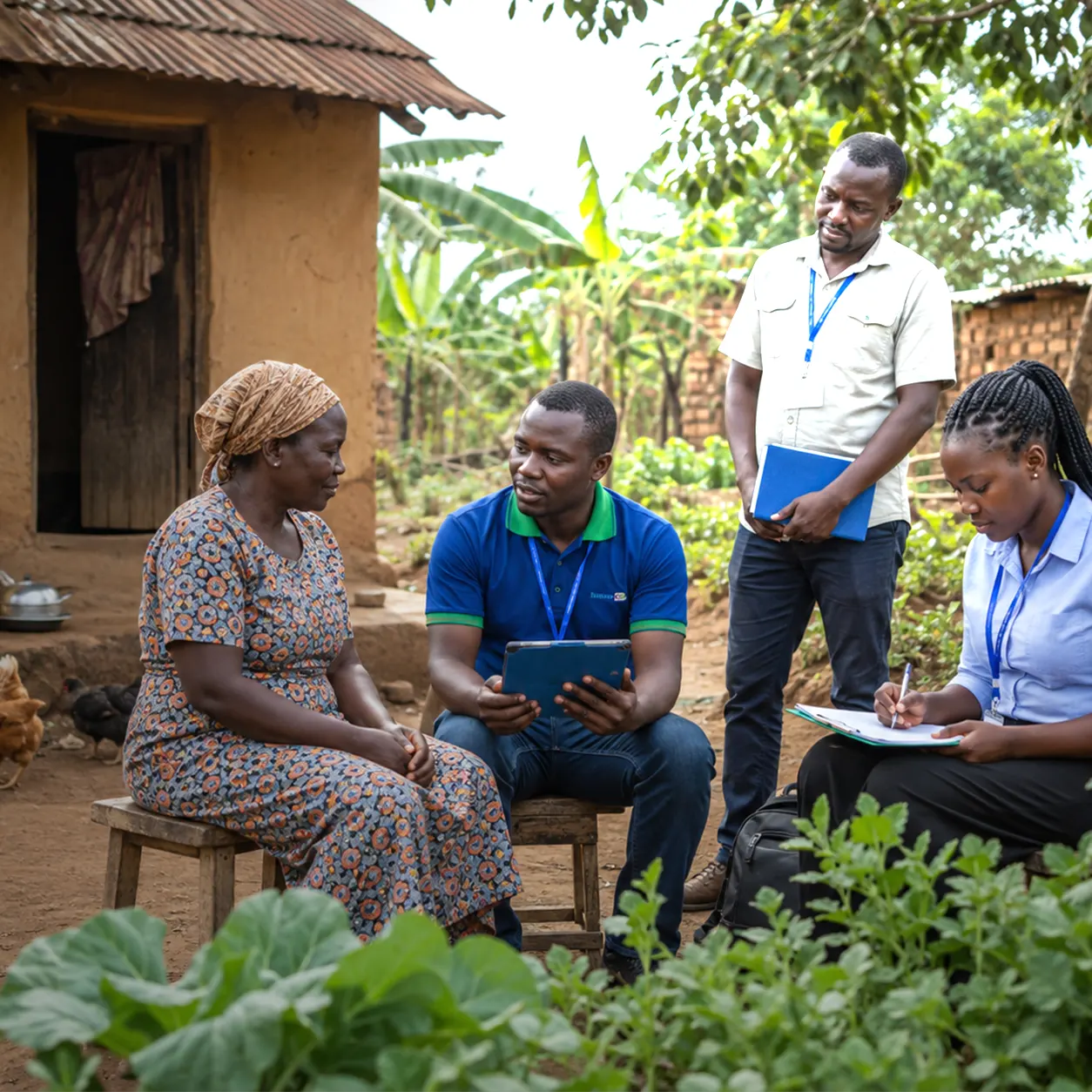
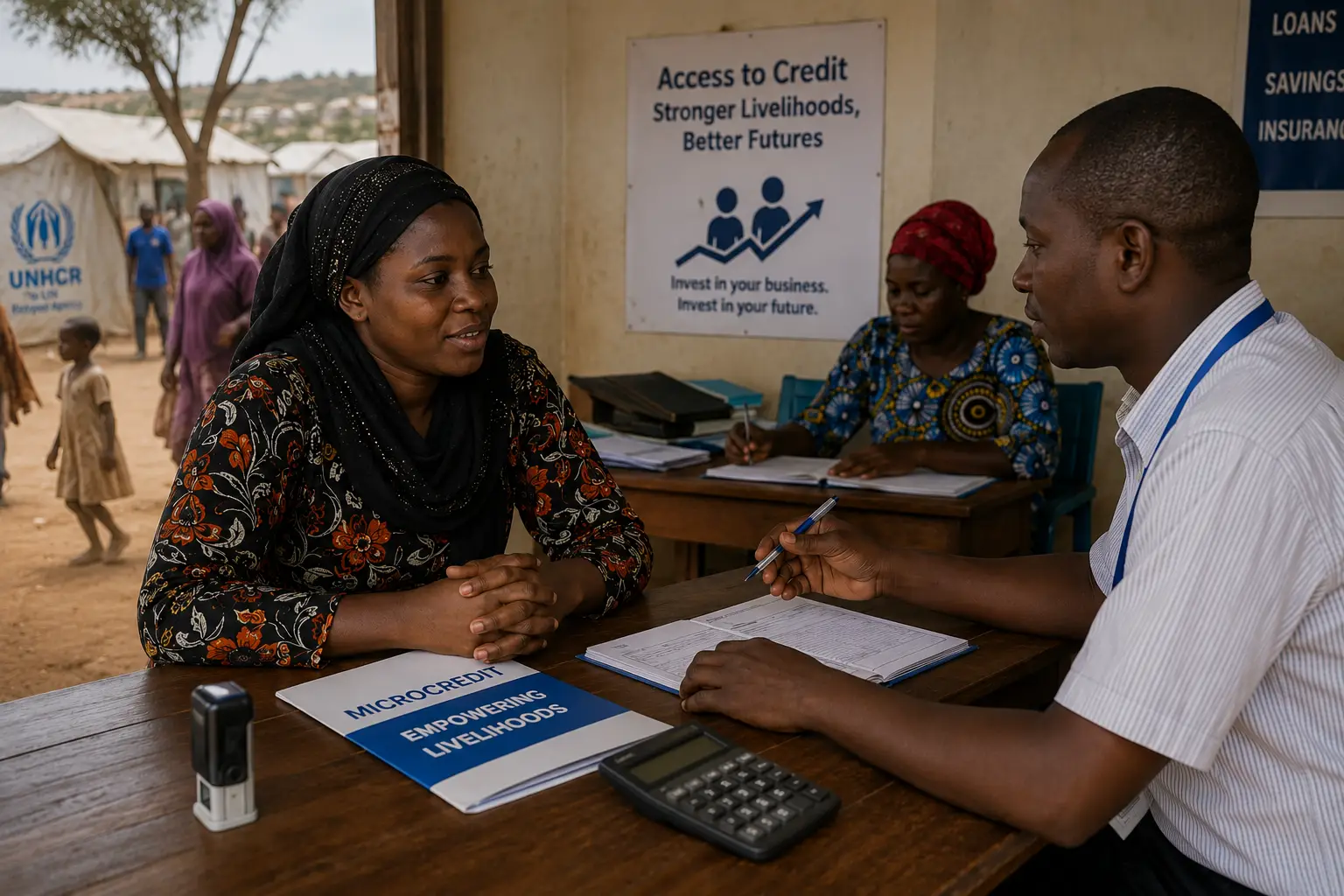
While refugees often possess valuable entrepreneurial experience, they frequently face barriers to accessing formal financial services due to limited collateral, credit histories, and financial inclusion opportunities. Implemented in partnership with UNHCR, the World Bank, and a local microfinance institution, the study investigates whether expanding access to affordable credit can strengthen livelihoods, promote business growth, and increase household resilience. Using a randomized controlled trial, the research evaluates the impact of microloans on business performance, household income, financial resilience, mental wellbeing, and social integration. The study also examines how financial institutions assess the creditworthiness of refugee and host-community borrowers, generating evidence on responsible lending practices and inclusive financial services.
Research impact
The study provides valuable evidence on how financial inclusion can strengthen refugee self-reliance and improve livelihood opportunities for both refugees and host communities. Its findings inform policies and financial programmes aimed at expanding responsible access to credit while promoting inclusive economic development.