Project overview
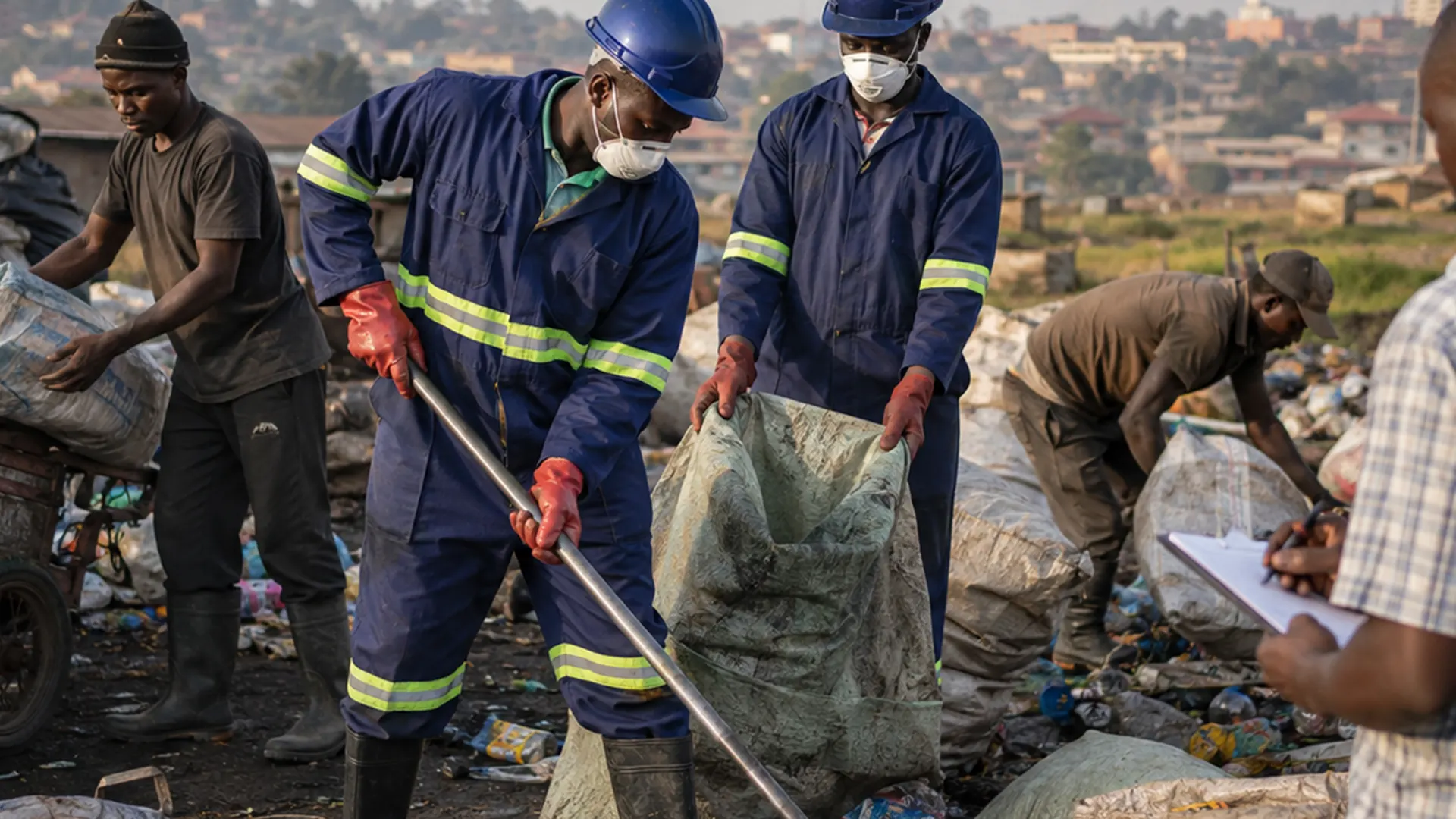
The study explores how long working hours, hazardous work environments, and limited occupational safety affect workers' livelihoods, mental health, and daily time allocation. Through detailed surveys, the research examines workers' experiences, job satisfaction, and the challenges associated with informal urban employment. The project also evaluates the impact of improved workplace safety through a randomized controlled trial in which selected workers received personal protective equipment (PPE), including overalls, gloves, gumboots, masks, and helmets. By comparing participants who received PPE with those who continued under existing conditions, the study assesses the effects of improved safety on productivity, health outcomes, time use, and overall wellbeing.
Research impact
The findings provide important evidence on the role of occupational safety in improving worker productivity and wellbeing within the informal economy. The research informs labour market policies and workplace safety interventions aimed at promoting healthier, safer, and more productive urban employment.
Read the associated research publication: View publication