Project overview
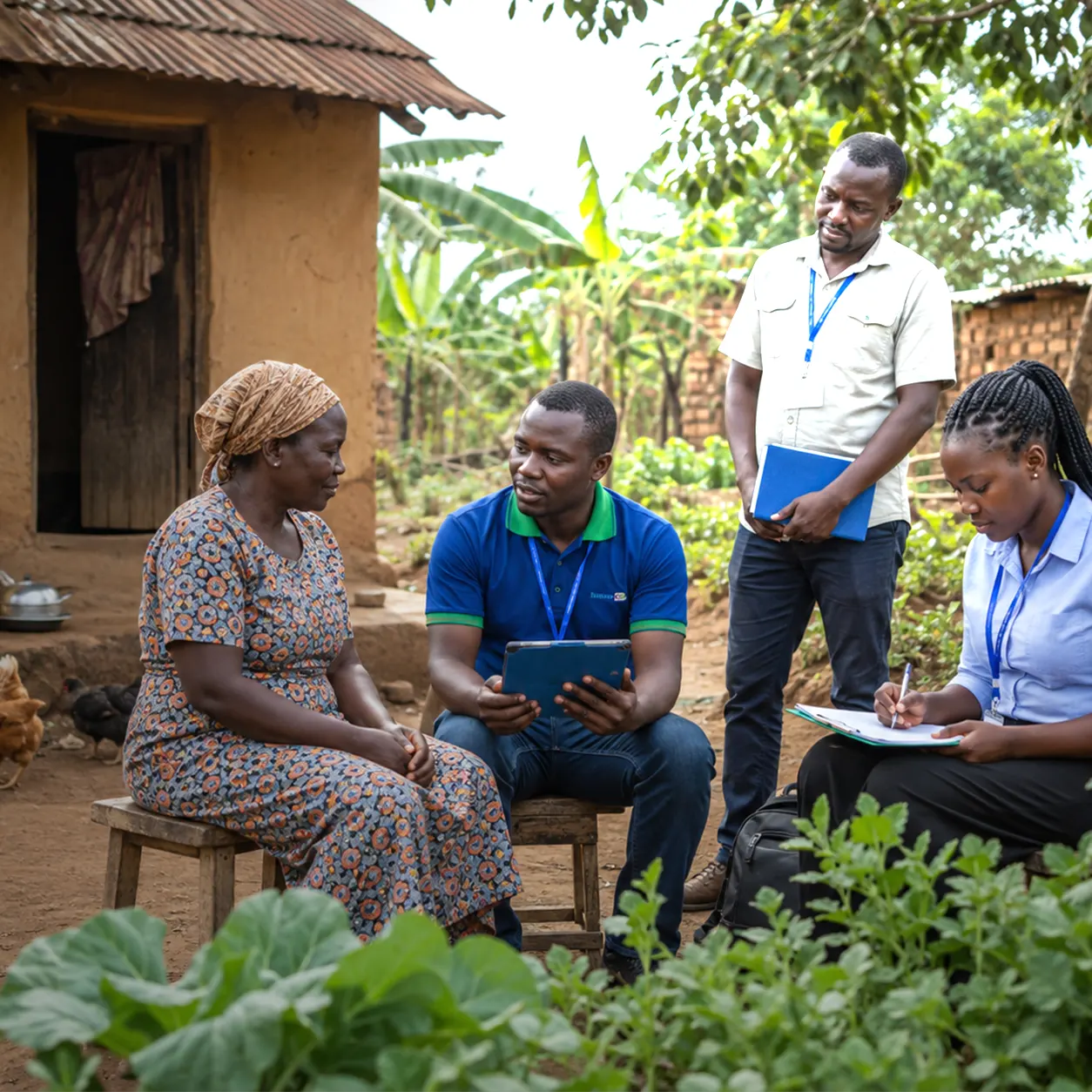
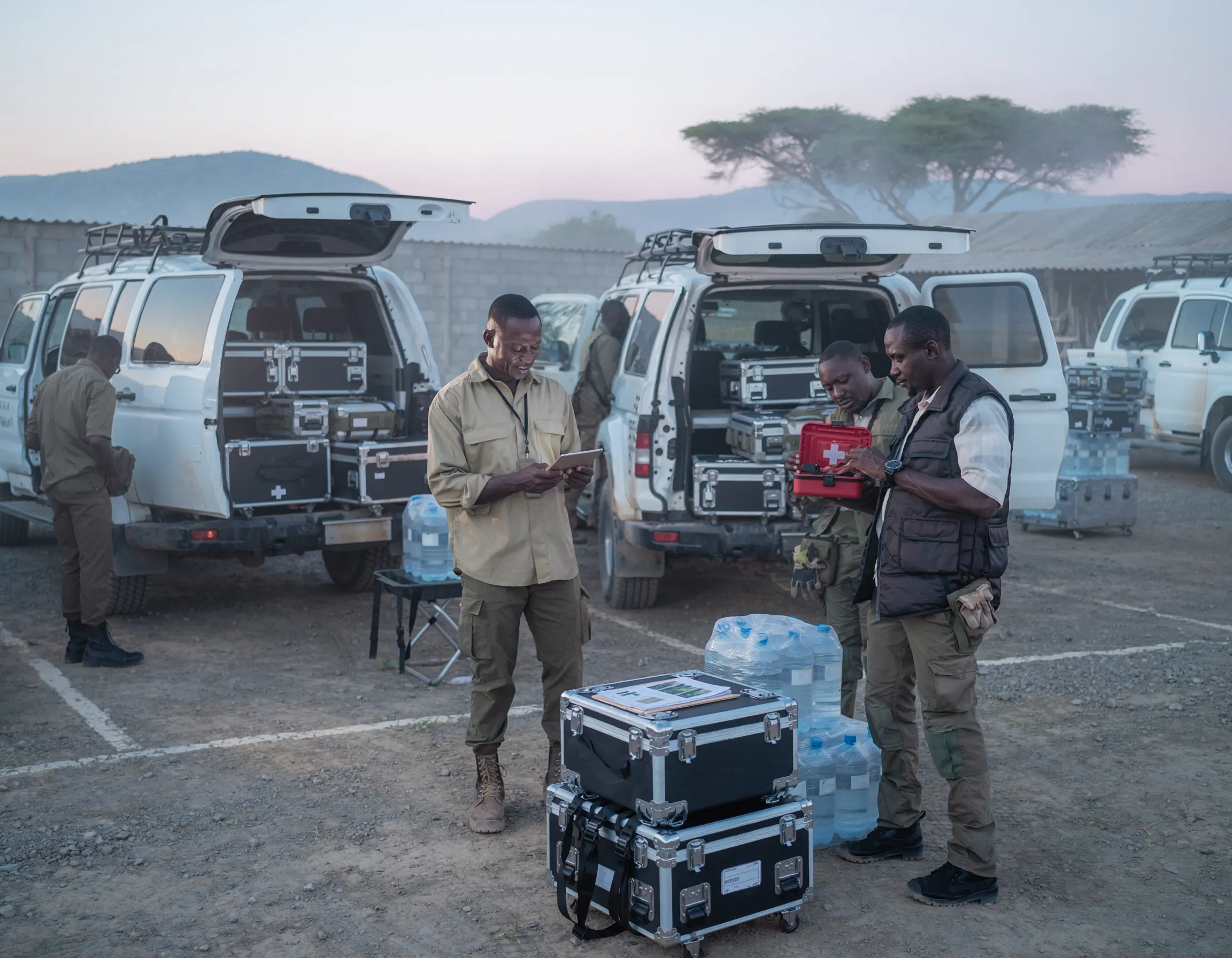
Implemented in collaboration with international researchers and development organizations, the project combined a comprehensive baseline survey with a series of field experiments to understand the livelihood opportunities, mobility decisions, and economic integration of refugee households. The research explored the factors influencing refugees' decisions to relocate from settlements to urban areas, the barriers limiting access to employment and business opportunities, and the capacity of host communities to absorb new arrivals. In addition to generating evidence on refugee livelihoods, IGREC provided comprehensive research support, including study design, questionnaire programming, field staff recruitment and training, data collection, quality assurance, and overall project management.
Research impact
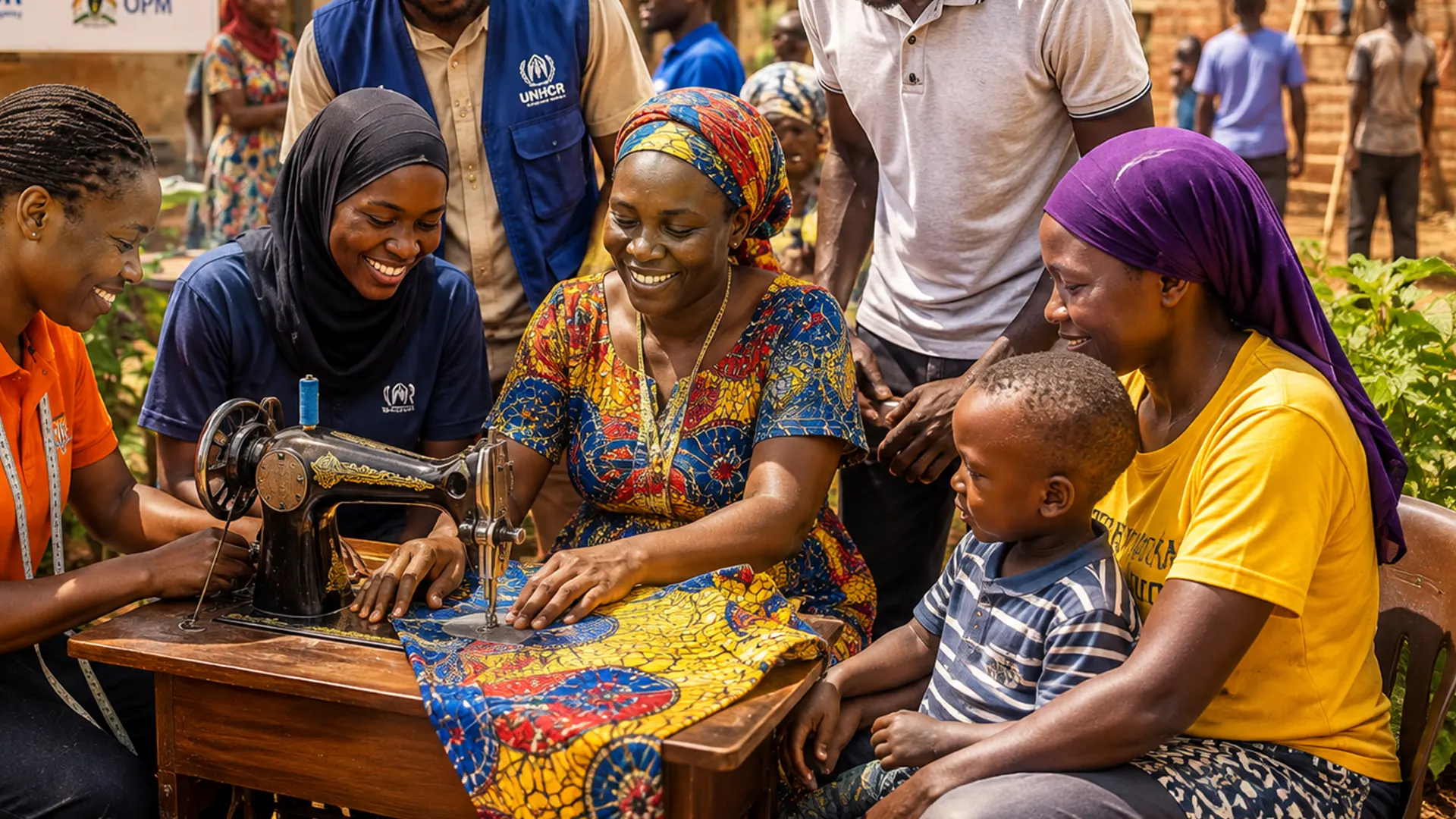
The study provides important evidence on policies and interventions that promote refugee self-reliance, economic inclusion, and sustainable integration within host communities. Its findings inform governments, humanitarian agencies, and development partners seeking evidence-based approaches to improving refugee livelihoods while supporting inclusive local economic development.