
Service overview
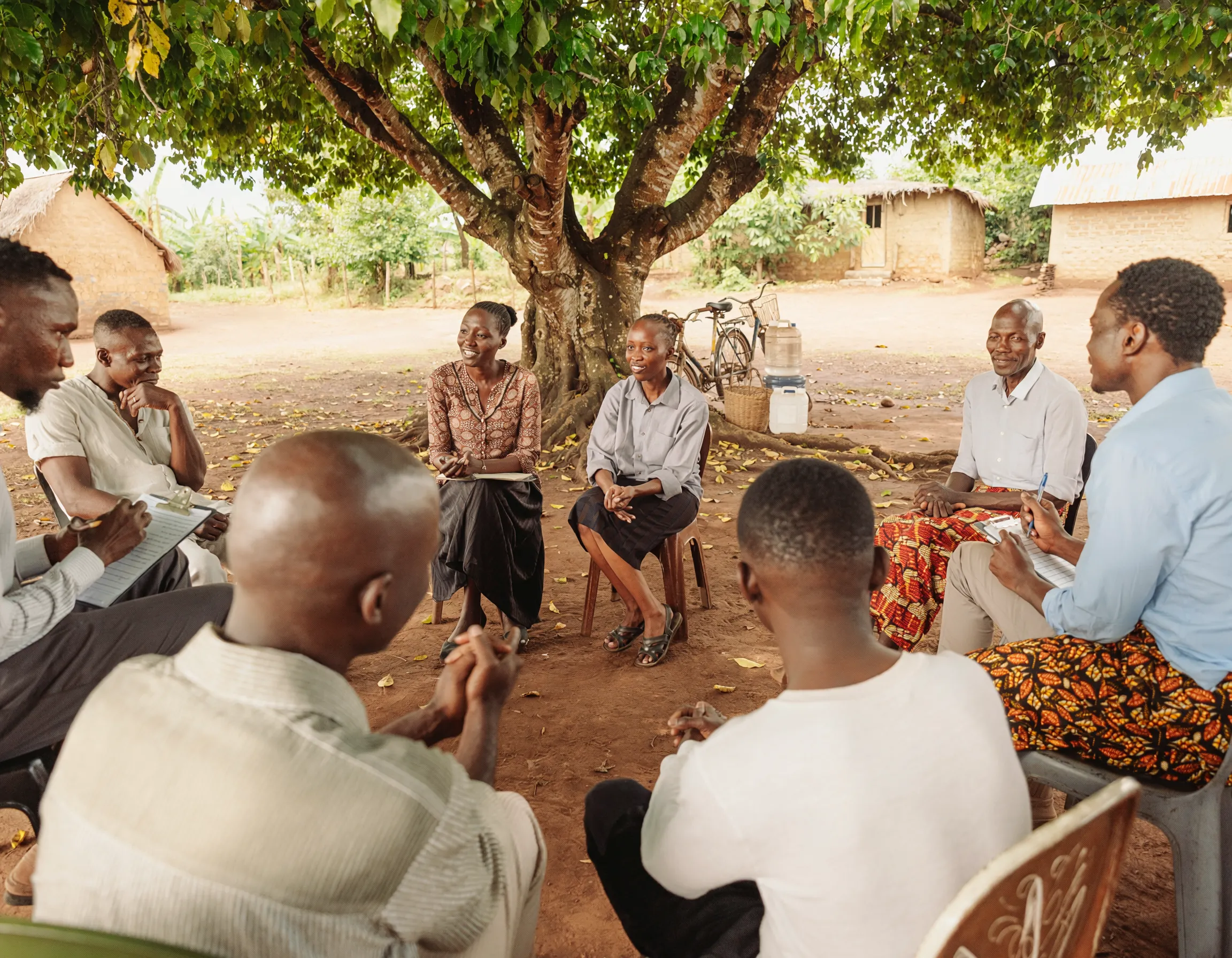
IGREC plans and facilitates focus group discussions that reveal shared views, contested experiences, and social norms. We create safe sessions and produce structured findings that inform action.
Direct answer
Focus group discussion services gather guided evidence from selected participant groups. IGREC manages recruitment, facilitation, safeguarding, transcription, and thematic analysis. The method helps teams understand collective views and meaningful differences.
Teams needing structured group insight on perceptions, norms, experiences, concepts, or programme delivery.
Tailored support
A service designed around the decision and field reality.
The scope connects research questions, methods, participants, operations, quality controls and final use.
Decision valueWhat this service helps you decide
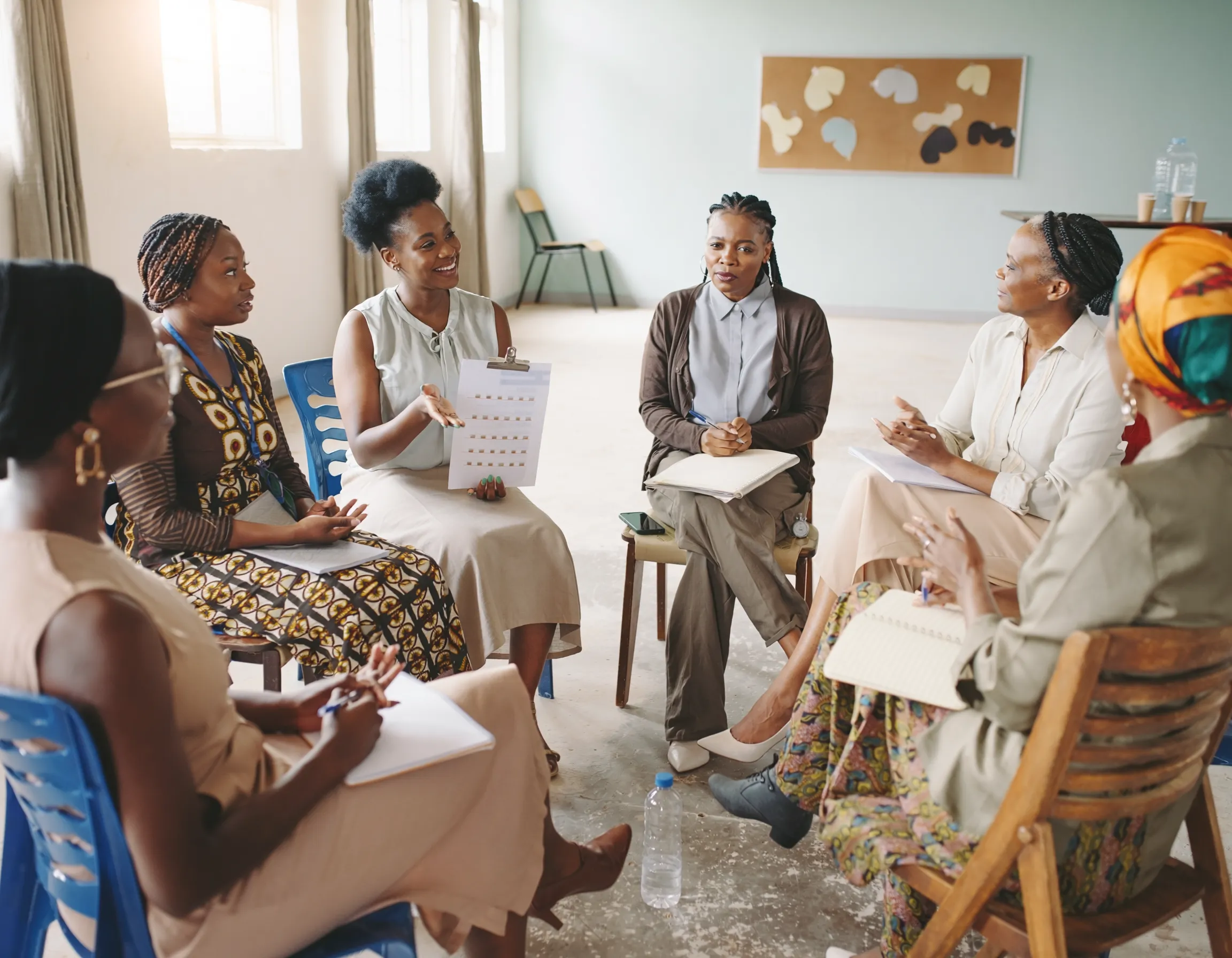
Group interaction can reveal ideas that individual interviews miss. Participants compare experiences, challenge assumptions, and explain community norms. Yet poor facilitation can silence quieter voices or reward dominant speakers.
IGREC designs each group around a clear purpose. We segment participants when power or status may affect openness. We also use skilled facilitators, neutral probes, structured note-taking, and debriefs after every session.
Expected outcomesWhat IGREC delivers
- Clear insight into shared beliefs and disputed perspectives.
- Evidence on language, norms, trust, and programme experience.
- Improved messages, services, interventions, and survey questions.
- Comparison across gender, age, location, role, or participant type.
- Transparent themes supported by discussion evidence.
Best suited toWho this service supports
This service supports community programmes, public health teams, education projects, market research, social protection, agriculture, humanitarian response, gender programmes, and implementation research.
How IGREC delivers the service
A controlled process from mobilisation to handover.
01Define group composition.
We decide which participants should meet together and which should remain separate.
02Develop the guide.
We sequence warm-up questions, core topics, activities, probes, and closing reflection.
03Recruit ethically.
We screen participants, explain expectations, obtain consent, and manage incentives consistently.
04Facilitate balanced discussion.
We encourage range, manage dominance, and protect respectful participation.
05Analyse across groups.
We compare consensus, disagreement, intensity, language, and subgroup patterns.
Typical deliverables
A documented handover your team can use.
- FGD protocol and segmentation plan
- Recruitment screener
- Moderator and note-taker guides
- Attendance and consent records
- Transcripts or structured summaries
- Cross-group thematic report
Why clients choose IGREC
Rigour connected to local implementation knowledge.
IGREC plans sessions for Uganda's social and linguistic contexts. We consider venue privacy, transport, timing, literacy, disability access, childcare demands, and participant safety.
Additionally, our analysis goes beyond memorable quotations. We compare groups systematically and explain whether a theme reflects consensus, disagreement, or a specific subgroup.
Relevant IGREC experience
Evidence from related assignments.
IGREC's portfolio includes focus group discussions in research on relational contracts among tailoring, welding, and carpentry firms. The study used group evidence to understand trust, shared labour, credit, customers, and production relationships.
Related project
Documenting Relational Contracts within and between firms in Uganda
Explore Documenting Relational Contracts within and between firms in UgandaRelated project
Ability and willingness to pay for voluntary medical male circumcision
Explore Ability and willingness to pay for voluntary medical male circumcisionRelated project
Health Cost vs. Social Gains
Explore Health Cost vs. Social GainsFrequently asked questions
Practical answers before scoping begins.
How many people should join one focus group?
Most groups work best with a manageable number that allows interaction. The topic, method, and participant needs determine the final size.
When should participants be separated?
Separate groups can protect openness when age, gender, hierarchy, role, or programme status creates power differences.
Can focus groups discuss sensitive topics?
Sometimes. However, individual interviews may offer stronger privacy for highly personal or risky subjects.
Request this service
Hear how groups understand your programme
Tell IGREC which communities or stakeholders matter. We will design safe, well-segmented focus groups that produce decision-ready findings.
Related research capability
Build an integrated service scope.
Qualitative methods
Qualitative Research
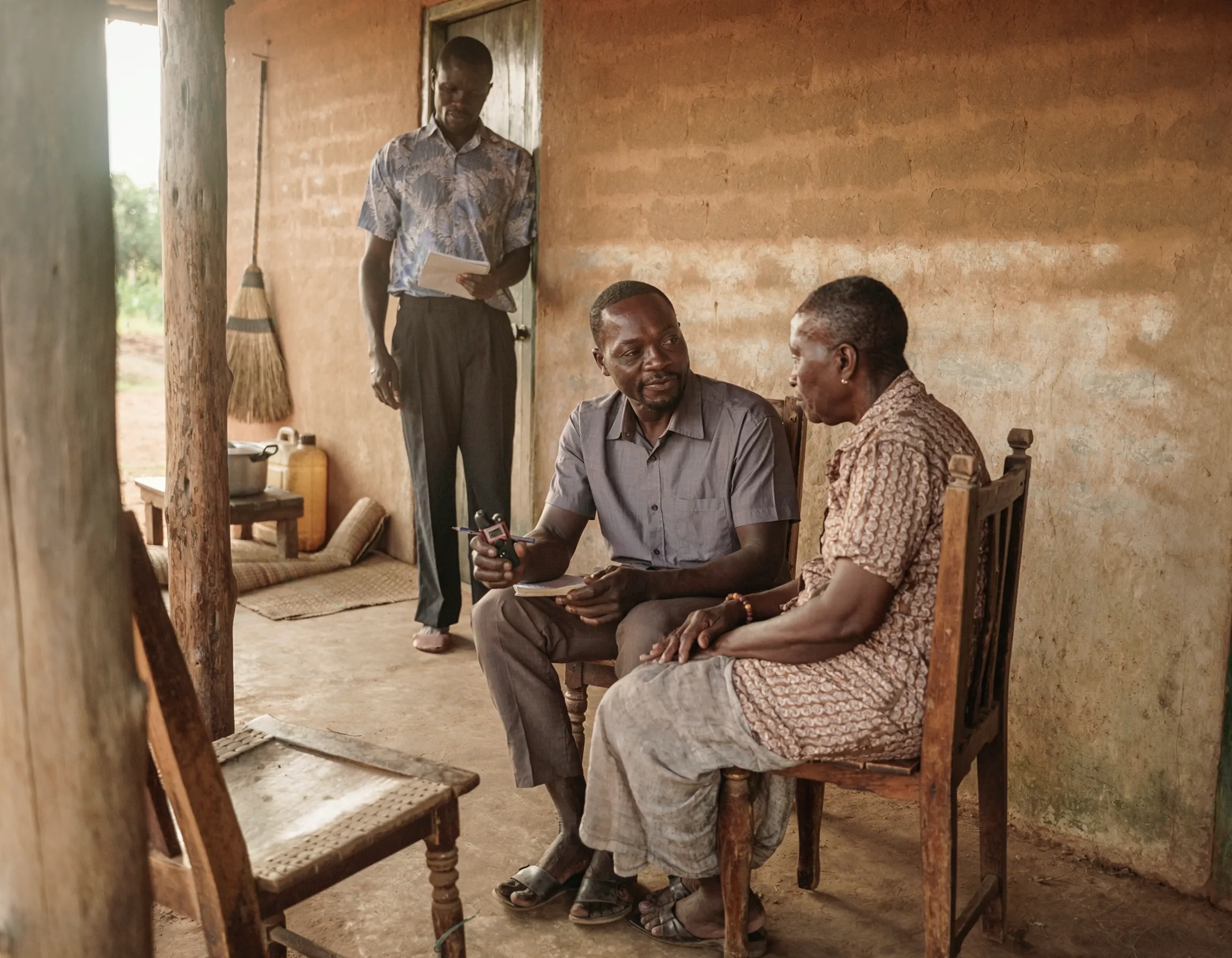
Qualitative research services explore meanings, experiences, behaviour, and context.
Explore this service
Qualitative methods
Key Informant Interviews
Key informant interview services gather detailed insight from knowledgeable stakeholders.
Explore this service
Research operations
Enumerator Recruitment & Training
Enumerator recruitment and training builds a field team that can apply the research protocol consistently.
Explore this service