Project overview
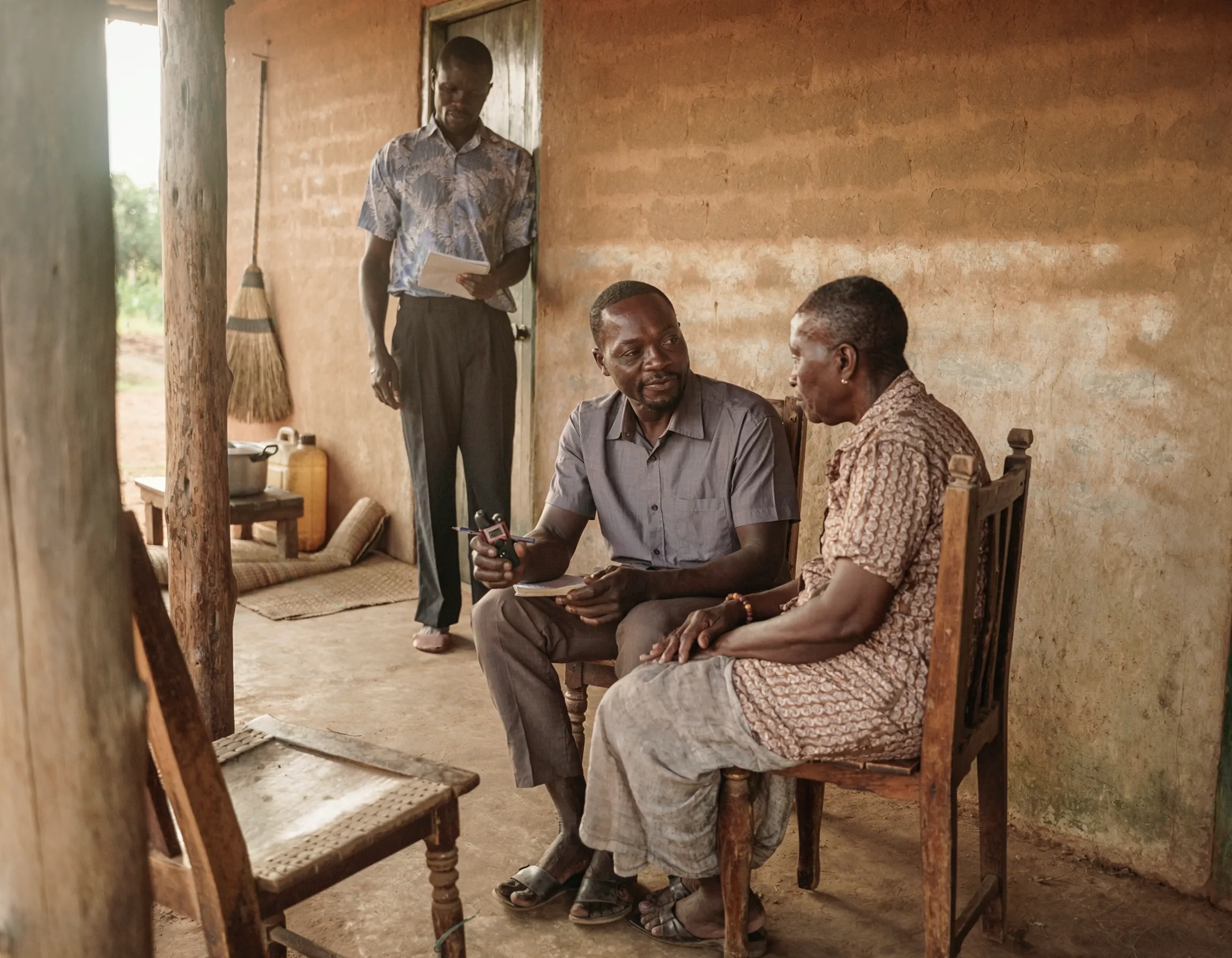
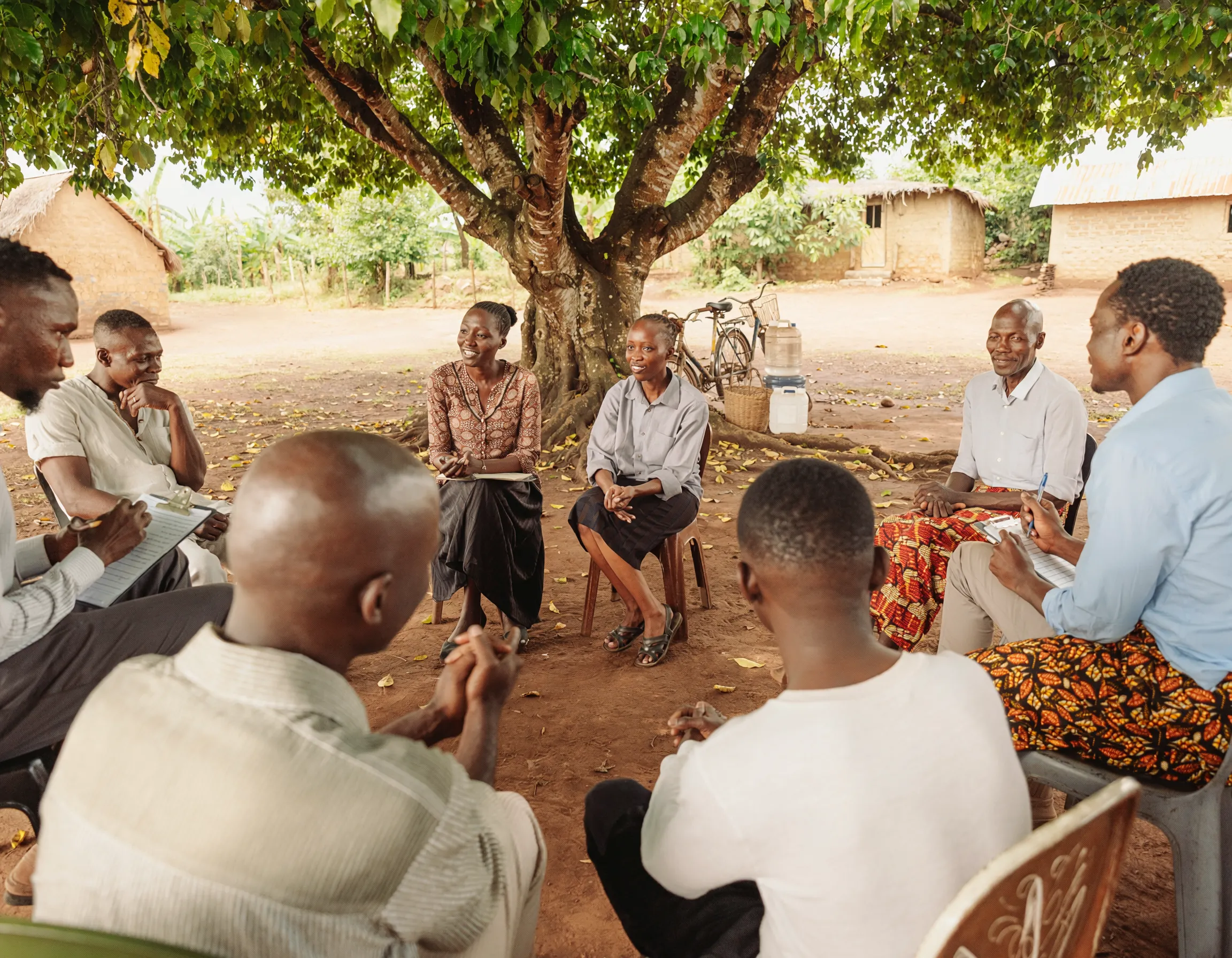
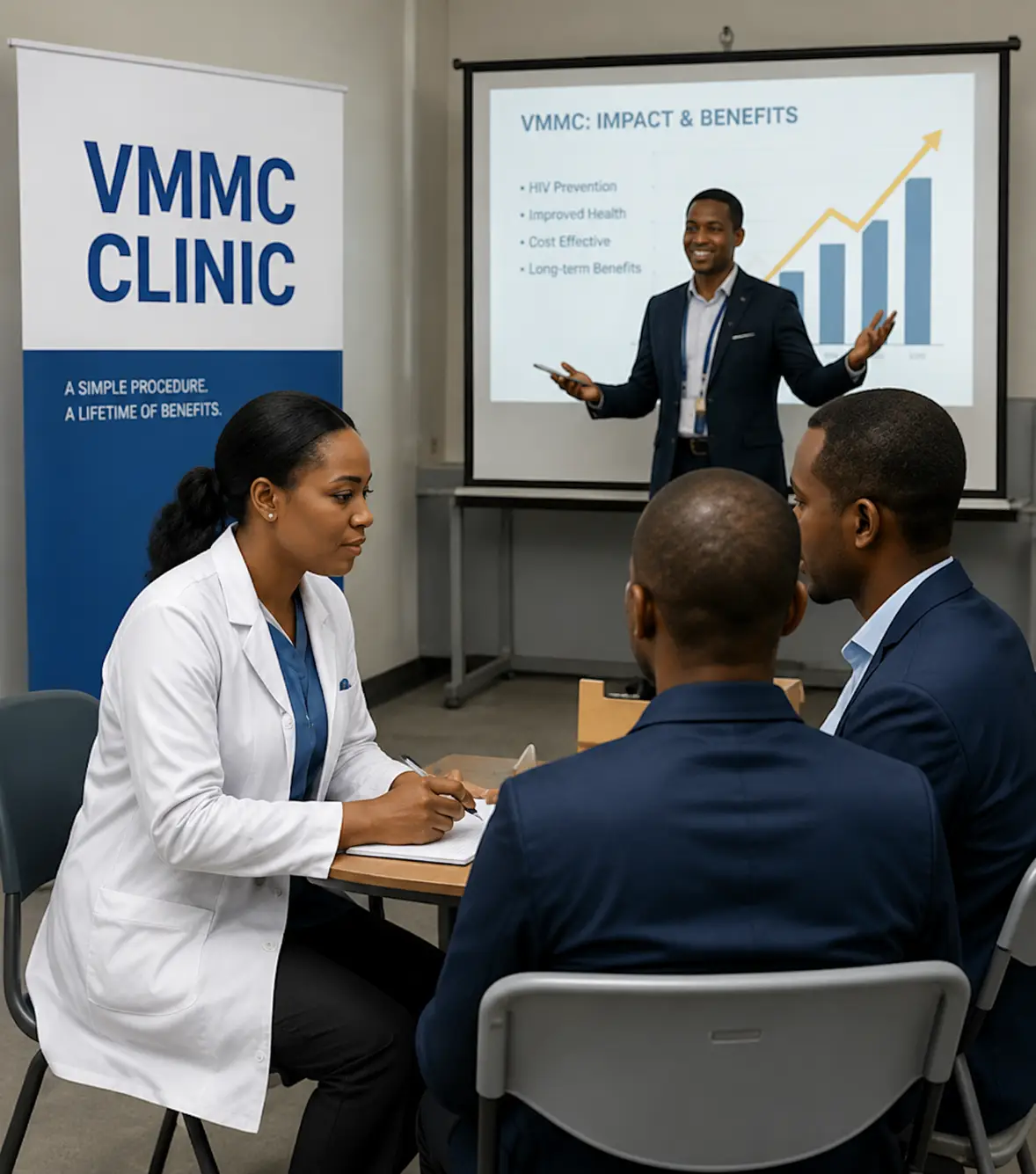
Using a mixed-methods approach across Uganda's four regions, the study investigates the economic, behavioural, and social factors influencing demand for VMMC while exploring whether cost-sharing mechanisms could complement donor financing and improve programme sustainability. The research addresses an important policy challenge as Uganda seeks to strengthen domestic financing for HIV prevention while maintaining progress in reducing new infections. By identifying the factors that influence payment preferences, service uptake, and access to VMMC, the study provides evidence to support the design of sustainable financing models for preventive healthcare services.
Research impact
The findings contribute to the development of sustainable financing strategies for HIV prevention programmes by providing evidence on clients' willingness to contribute to service costs. The research informs policies aimed at strengthening domestic health financing while expanding equitable access to cost-effective HIV prevention interventions.