Project overview
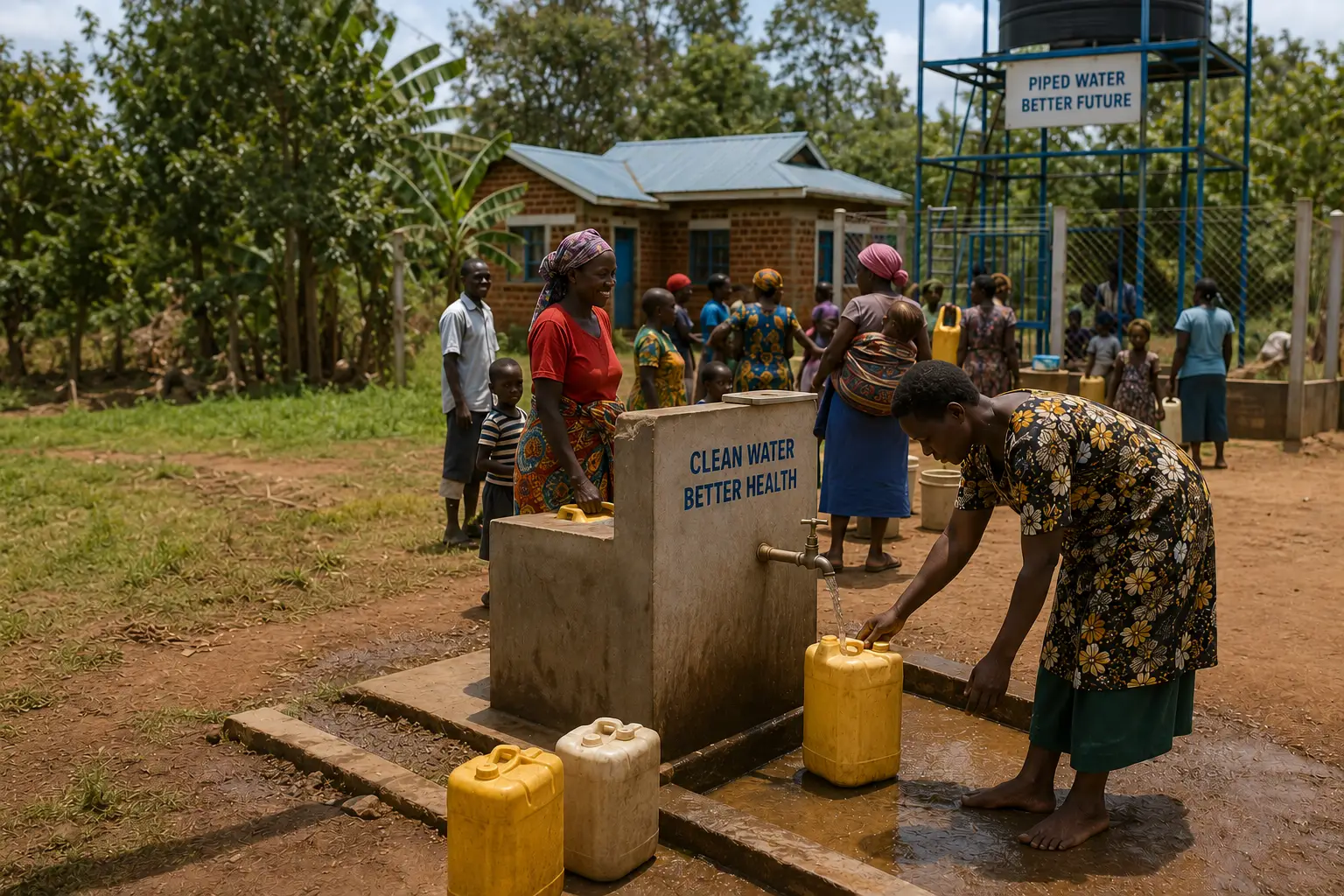
As one of the first prospective impact evaluations of a piped water infrastructure investment in a low-income country, the research addresses critical evidence gaps on the costs and benefits of achieving Sustainable Development Goal (SDG) 6.1, which promotes universal access to safely managed water services. The study examines household preferences for different levels of water service, including public standpipes and household or yard connections, as well as key service attributes such as reliability and water quality.
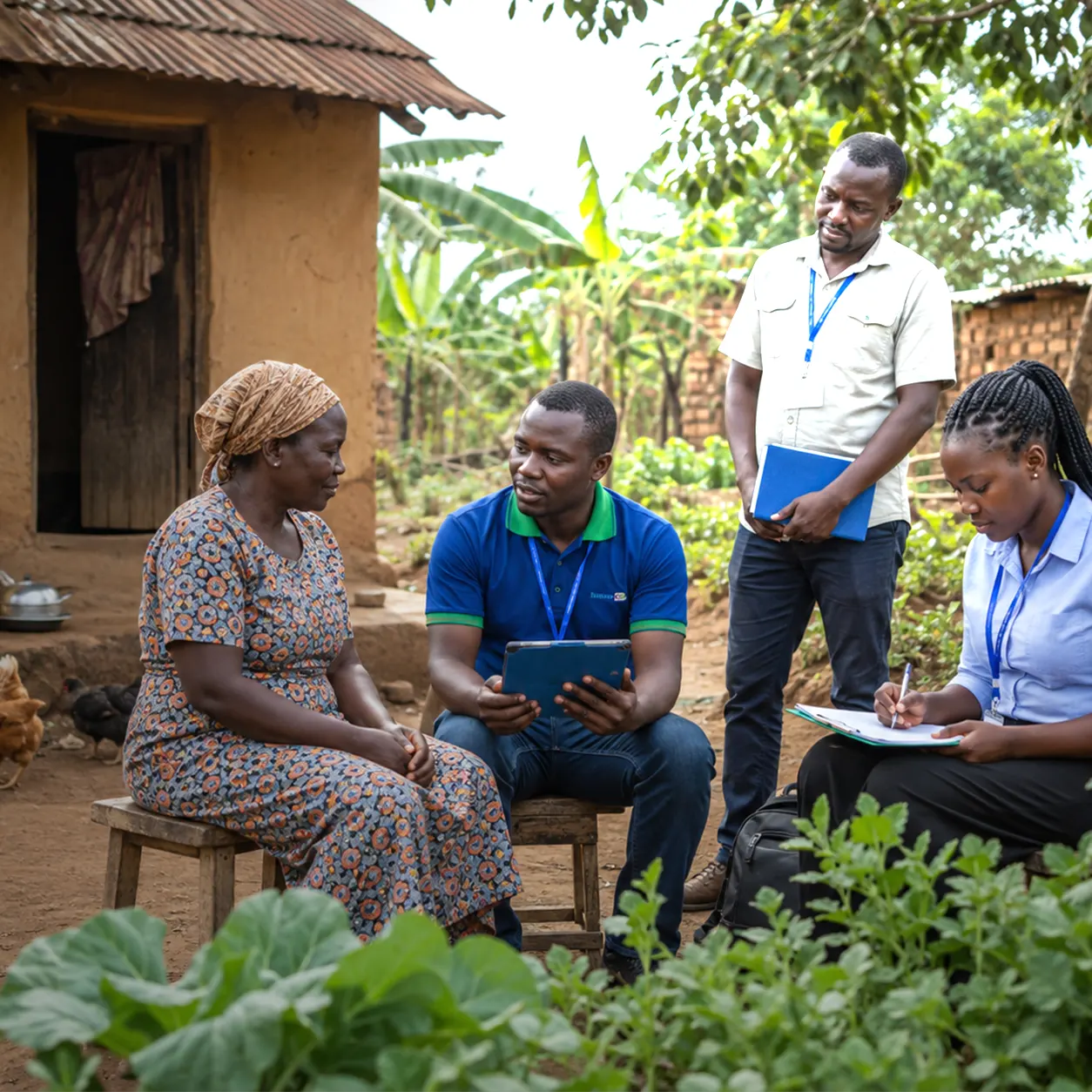
Using a rigorous impact evaluation design, the research assesses how access to piped water influences a wide range of outcomes at the individual, household, and community levels. Particular attention is given to changes in water collection practices, household water use, time savings, women's mental health and wellbeing, childcare, hygiene behaviours, drinking water quality, and overall quality of life. The study also identifies the household, community, and service characteristics associated with the greatest development impacts, providing important evidence for future water infrastructure investments.
Research impact
The study generates robust evidence on the socioeconomic, health, and welfare benefits of household piped water connections in low-income settings. Its findings inform governments, development partners, and the water sector on the most effective approaches to expanding safely managed water services, supporting evidence-based investments that improve public health, gender equality, and sustainable rural development.