Project overview
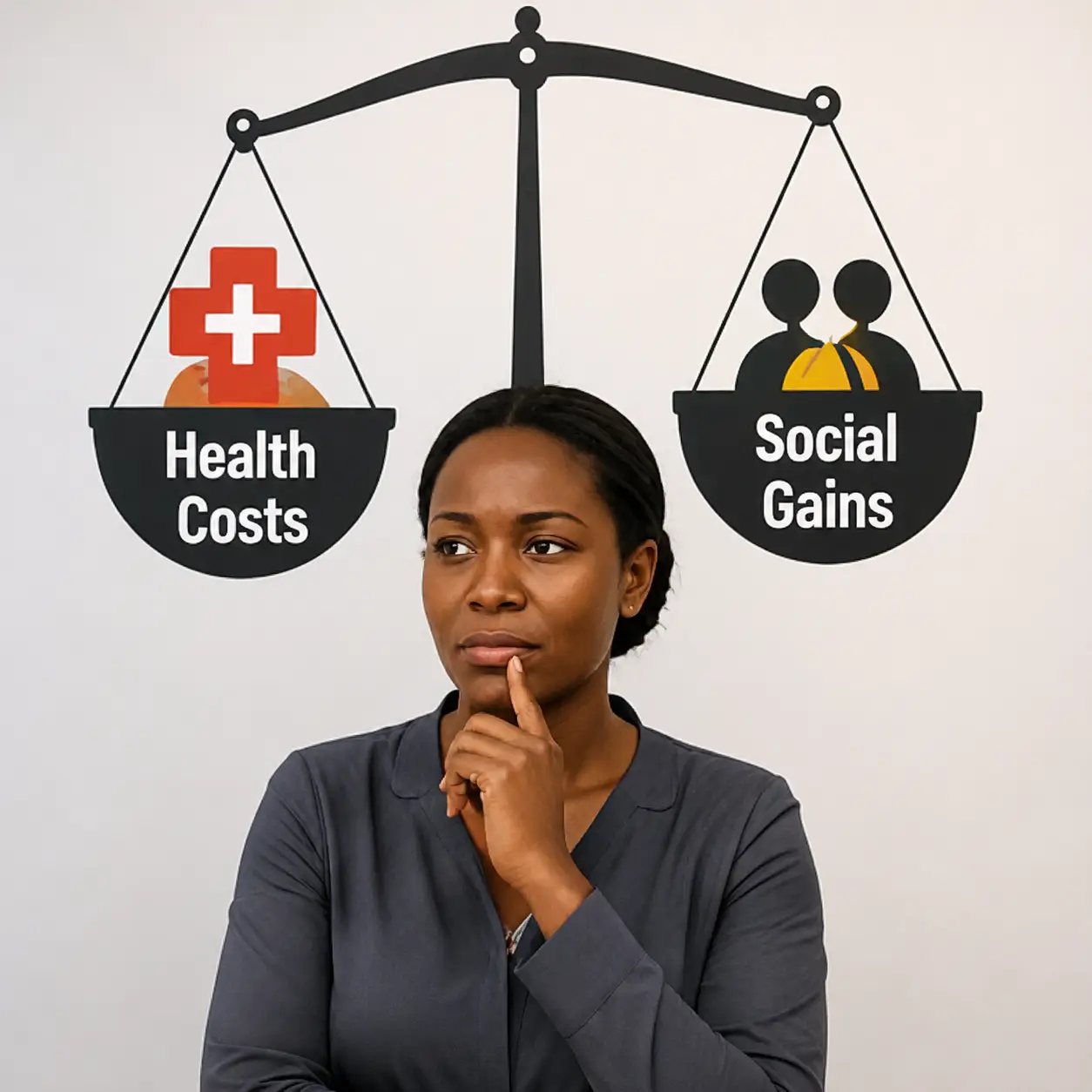
Although obesity is widely recognized as a major risk factor for non-communicable diseases, many individuals associate higher body weight with positive social outcomes such as wealth, social status, and financial success. The research investigates whether these perceived social benefits are consistent with reality and whether providing evidence-based information can help individuals make healthier decisions.
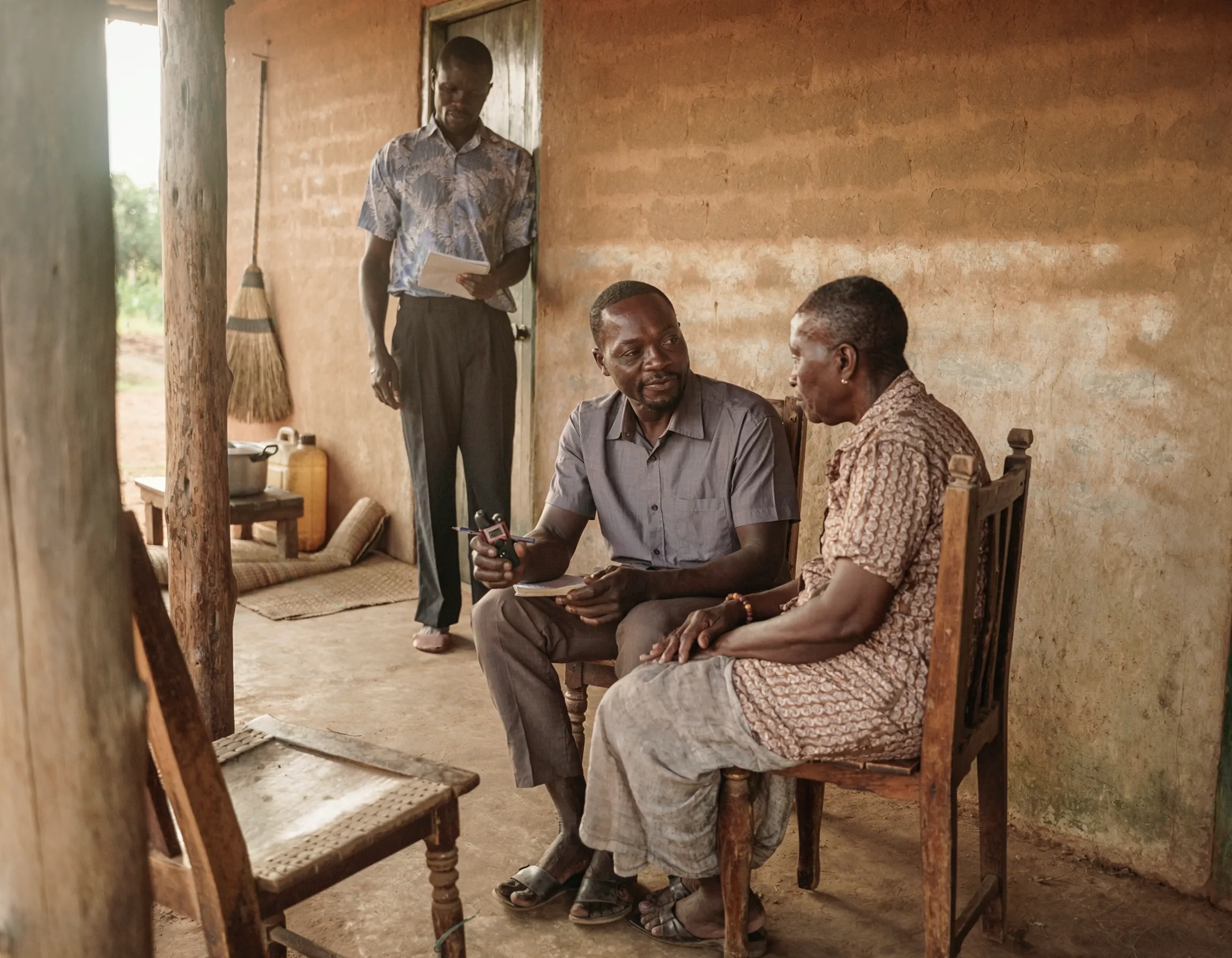
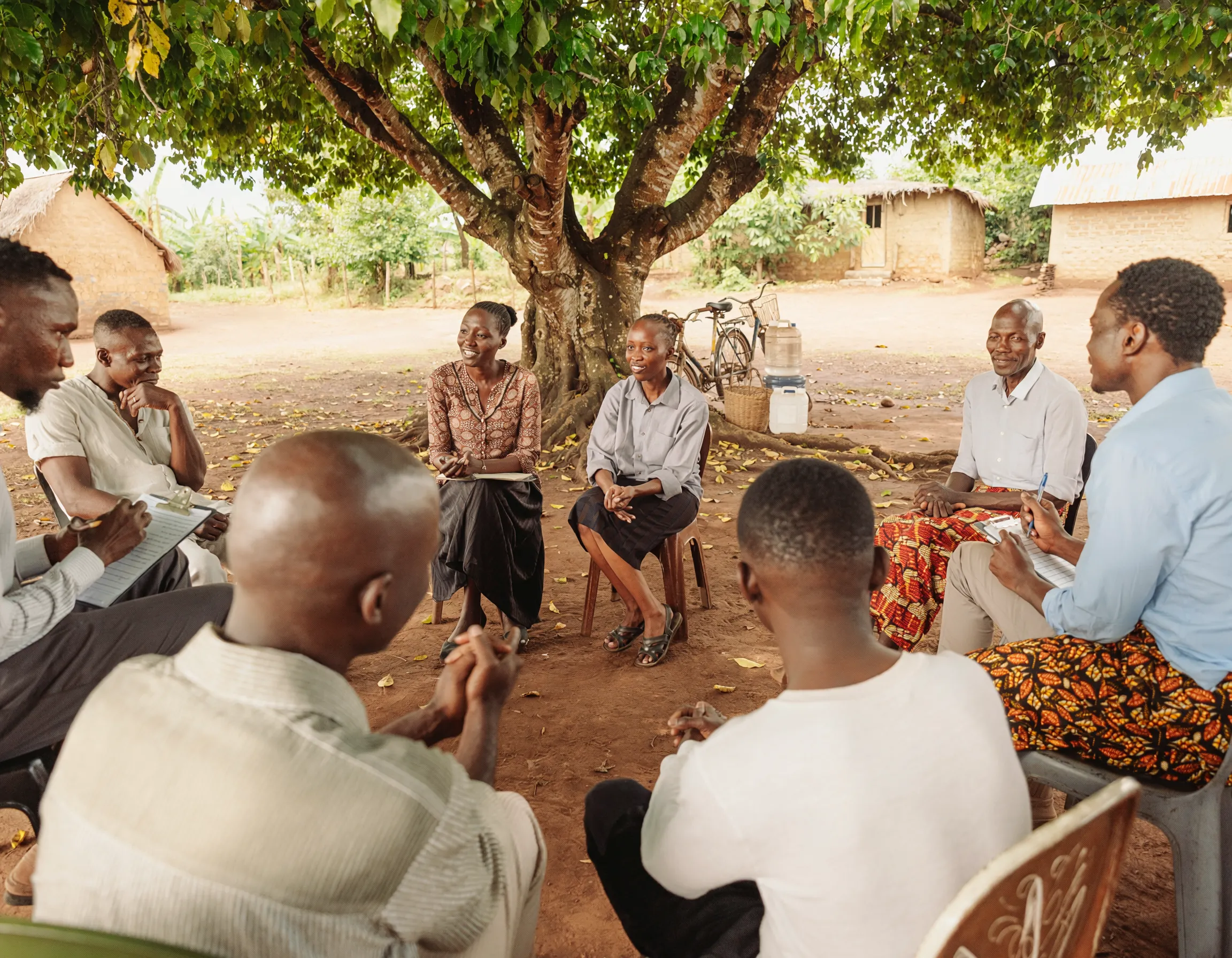
Conducted among approximately 500 adults in the Greater Kampala Metropolitan Area, the study combines household surveys with physical health assessments, including measurements of height, weight, waist circumference, and blood pressure. Participants also receive tailored health education designed to correct misconceptions about the relationship between body weight, health outcomes, and socioeconomic success.
Research impact
The study provides valuable evidence on how social perceptions influence health-related decision-making. Its findings inform behavioural interventions and public health campaigns aimed at preventing obesity, promoting healthier lifestyles, and reducing the growing burden of non-communicable diseases in Uganda.