
Service overview
IGREC uses qualitative research to explain how people experience programmes, institutions, markets, and public services. We turn voices and observations into structured evidence for design and decision-making.
Direct answer
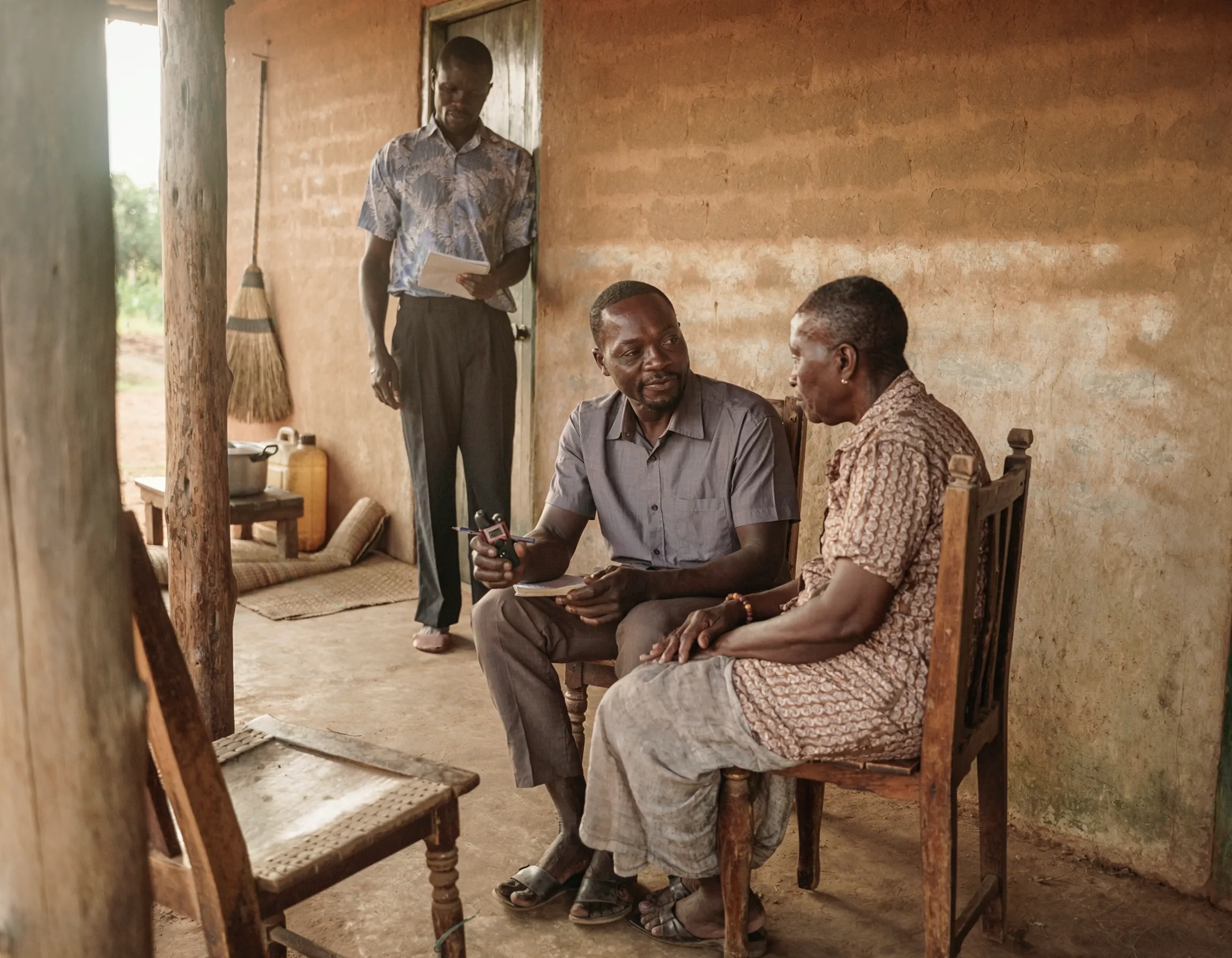
Qualitative research services explore meanings, experiences, behaviour, and context. IGREC uses interviews, group discussions, observation, and document review. The analysis explains why outcomes differ and how programmes can respond.
Organisations seeking deeper explanations behind survey results, behaviours, implementation barriers, or lived experiences.
Tailored support
A service designed around the decision and field reality.
The scope connects research questions, methods, participants, operations, quality controls and final use.

Decision valueWhat this service helps you decide
Quantitative data can show the size of a pattern. However, it may not explain the mechanism behind it. Qualitative research reveals how people interpret choices, rules, risks, relationships, and services.
IGREC begins with clear learning questions. We then select participants who can provide contrasting perspectives. Additionally, we use topic guides, trained facilitators, structured notes, secure recordings, and transparent coding.
Expected outcomesWhat IGREC delivers
- Deeper understanding of participant experiences and decisions.
- Clear explanations for implementation successes or failures.
- Evidence on social norms, trust, incentives, and institutional practice.
- Stronger programme theories and survey instruments.
- Actionable themes supported by documented participant perspectives.
Best suited toWho this service supports
This service supports NGOs, government programmes, researchers, public health teams, humanitarian agencies, foundations, market systems projects, education programmes, and private-sector research.
How IGREC delivers the service
A controlled process from mobilisation to handover.
01Frame the inquiry.
We define the behaviours, experiences, mechanisms, and stakeholder perspectives to explore.
02Select the method.
We choose interviews, focus groups, observation, diaries, case studies, or mixed methods.
03Recruit for insight.
We use purposive, maximum-variation, key-case, or saturation-based sampling.
04Collect rich data.
Facilitators probe carefully, protect privacy, and document context alongside responses.
05Analyse systematically.
We code themes, compare groups, test negative cases, and connect findings to decisions.
Typical deliverables
A documented handover your team can use.
- Qualitative research protocol
- Sampling and recruitment matrix
- Interview or discussion guides
- Transcripts or structured notes
- Codebook and thematic analysis
- Insight report with recommendations
Why clients choose IGREC
Rigour connected to local implementation knowledge.
IGREC combines local cultural understanding with disciplined analysis. We pay attention to language, status, gender, age, power, and setting. Therefore, participants can speak more openly and researchers can interpret responses responsibly.
We also integrate qualitative and quantitative evidence. Findings can explain survey results, improve instruments, test programme assumptions, or shape a later evaluation.
Relevant IGREC experience
Evidence from related assignments.
IGREC's portfolio includes mixed-methods health research, focus groups on business relationships, household research on social beliefs, and studies of refugee livelihoods and worker wellbeing. These topics require careful interpretation of behaviour and context.
Related project
Ability and willingness to pay for voluntary medical male circumcision
View projectRelated project
Documenting Relational Contracts within and between firms in Uganda
View projectRelated project
Improving Refugee Welfare and Integration
View projectRelated project
Health Cost vs. Social Gains
View projectFrequently asked questions
Practical answers before scoping begins.
How many qualitative interviews are enough?
The answer depends on participant diversity, research questions, and saturation. IGREC justifies the sample rather than using one fixed number.
Can qualitative findings represent an entire population?
They explain patterns and mechanisms. They do not usually estimate population prevalence without a quantitative design.
Can IGREC conduct research in local languages?
Yes. We plan translation, facilitator selection, recording, transcription, and meaning checks for each language.
Request this service
Understand the reasons behind the numbers
Share the decision, stakeholder groups, and unanswered questions. IGREC will recommend a qualitative design that produces useful and credible insight.
Related research capability
Build an integrated service scope.
Qualitative methods
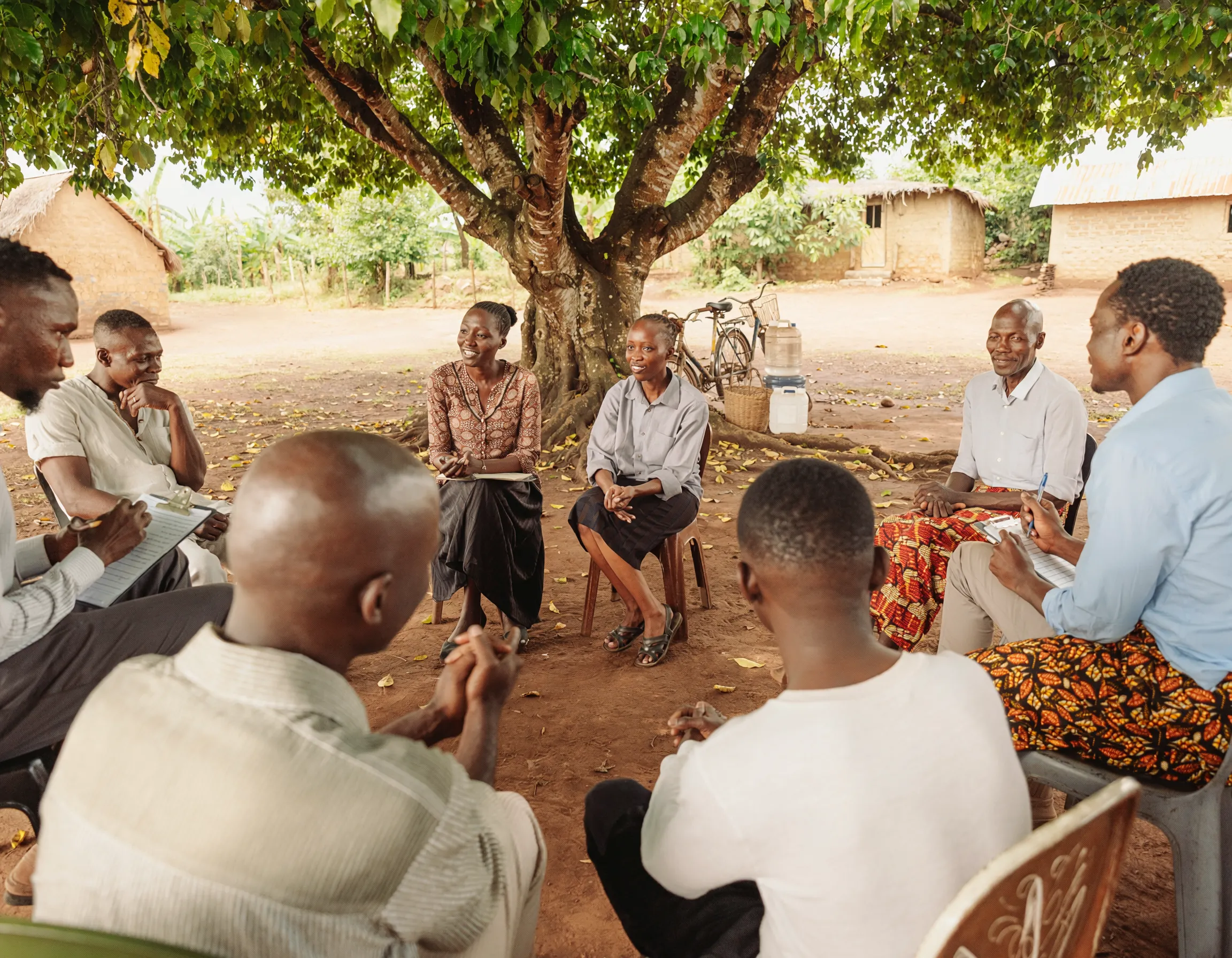
Focus Group Discussions
Focus group discussion services gather guided evidence from selected participant groups.
Explore this service
Qualitative methods
Key Informant Interviews
Key informant interview services gather detailed insight from knowledgeable stakeholders.
Explore this service
Data systems & analysis
Statistical Analysis
Statistical analysis services transform collected data into estimates, comparisons, trends, and tested relationships.
Explore this service